Rural Acreage
What should I find out before buying a building lot on Salt Spring Island?
The short answer
Before you buy a building lot on Salt Spring Island, find out about the water source, septic options, road access, what can be built, and what a building plan would require, then confirm each answer with the right professional or authority.
On this page
The short answer for a Salt Spring lot
Before you buy a building lot on Salt Spring Island, find out five things: where the water would come from, what septic options exist, how the lot is reached, what can be built on it, and what a building plan would require. None of these answers come from a listing photo. Each one belongs to a specific professional or office, and the goal is to know which questions are still open before you make an offer, not after. A short list, written down early, keeps the excitement of a good site from rushing the decision.
A bare lot is a different purchase from a finished home. With a house, many of the big questions have already been answered, at least in part, by the people who built and lived in it. With a lot, you are buying the questions themselves. That can be exciting if you want to shape a place from the ground up, but it means the homework comes first and the design ideas come second.
On an island, those questions carry extra weight. Water, septic and access are rural matters that buyers in a town rarely think about, and there is no easy way to fix a surprise after closing. The ferry also shapes how often you can visit the site, meet trades and check progress. Building the list early is the calm way to find out whether a particular lot fits the way you want to live on Salt Spring.
Questions about water and septic
Water and septic usually come first, because they decide so much of what follows. Do not assume a lot has an adequate water source or a workable septic option just because neighbouring properties do. Each lot is its own case, and the official answer comes from qualified water, well and septic professionals and, where rules apply, the responsible local authority. Here is a starting list to write down before you talk to anyone.
- Ask what water source the lot would rely on and what records exist
- Ask whether any well has been drilled or tested, and who has the reports
- Ask what septic options a qualified septic professional would need to assess
- Ask what the seller knows about past site work, test holes or approvals
Questions about access, boundaries and building
Once water and septic are on your list, move to how you reach the lot and what you could put on it. These are the questions where a confident guess causes the most trouble. A surveyor, a lawyer or notary, and the island’s land use and building authorities each hold part of the answer. Treat every item below as a question to take to them, not something to settle from a map or a conversation.
- Ask how the lot is reached and whether access crosses anyone else’s land
- Ask whether the boundaries have been surveyed and where the survey records are
- Ask the responsible local authority what can be built and what permits would involve
- Ask a lawyer or notary about anything registered on the title
- Ask about power, phone and internet options for the site
How the island changes a lot purchase
Salt Spring adds a layer that a buyer from off-island may not expect. Materials, trades and equipment all have to reach the island, and the people you hire will juggle other projects too. That does not make building here a bad idea. It means you should talk early with the professionals you would need and ask them how they plan their work, rather than assuming a schedule you might have seen somewhere else. Their answers will also help you judge how hands-on you would need to be.
Location on the island also changes daily life once you are built. A lot closer to Ganges may put shops, appointments and the market within easier reach. A lot further out, toward the North End or near Fulford Harbour, may suit someone who wants more room and does not mind the drive. Neither choice is right in general. Notice where your usual ferry terminal sits, Vesuvius or Fulford Harbour, compared with each lot you see.
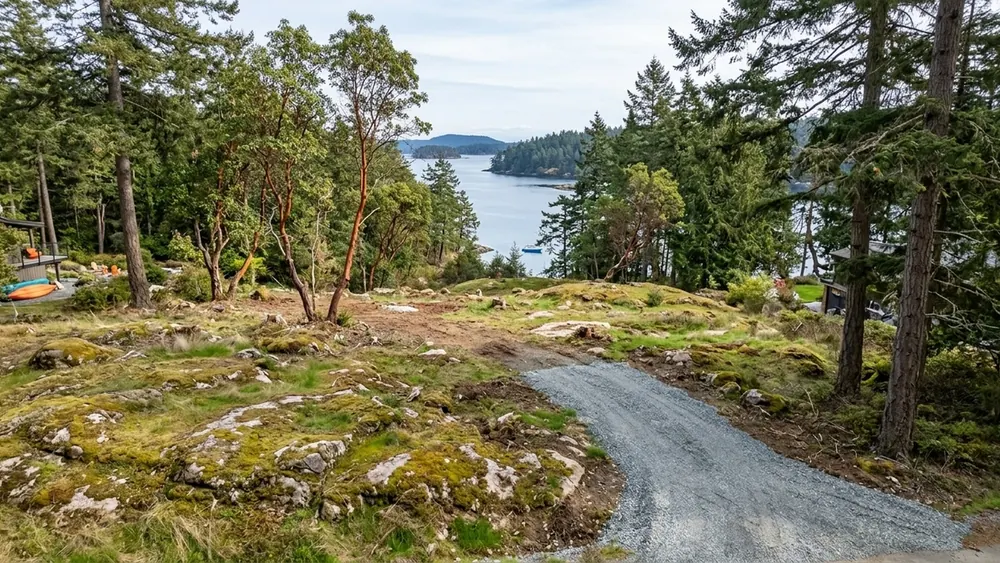
Then think about the land itself. A treed lot, a sloped lot and an open field each bring different clearing, driveway and upkeep questions. Some buyers want a project and enjoy the work. Others picture a finished home and underestimate how much happens between the purchase and moving in. Being honest about which person you are is one of the most useful things you can bring to the search. A licensed home inspector can also walk the site with you and point out what they would want to look at more closely.
Who answers which part of the list
A lot purchase involves more voices than most home purchases, and it helps to know who speaks for what. Your real estate representative helps you find lots, organize the questions, gather what the seller can provide and frame an offer. Water, well and septic professionals assess those systems. A surveyor confirms boundaries. A lawyer or notary handles the title and the purchase itself. The responsible local authority speaks to building and land use.
The money side deserves its own conversation. Financing a bare lot can work differently from financing a finished home, so talk to a lender or mortgage professional before you fall for a particular site. Erin’s background in credit union lending helps explain these steps plainly, but the official answer on financing always comes from your lender. An accountant can speak to any tax questions that apply to your situation.
I help you build the question list for a lot, then point you to the people who give the official answers. A clear list before an offer saves a lot of second-guessing later.
Assumptions that lead to surprises
The most common trouble comes from things a buyer assumed rather than asked. A neighbour has a good well, so this lot must too. There is a road to the edge of the property, so access must be settled. Someone built a cabin nearby, so a similar plan must be allowed here. Each of these sounds reasonable and each can be wrong for a specific lot. Turn every assumption into a written question, and keep the answers with your notes on that lot so nothing gets lost between conversations.
Another surprise is the gap between buying the lot and being ready to build. Studies, designs, approvals and trades all take their own time, and those timelines vary with the lot and the season. Rather than counting on a move-in date, ask each professional what their part involves and what could change it. That way you plan around real answers instead of hopes, and you stay in control of the decision.
Your next step before viewing lots
Before you book a viewing, write down how you want to use the land. Is it a full-time home, a future retirement place, or somewhere for family to gather? How much clearing and upkeep do you want? How often will you be crossing on the ferry? Those answers narrow the search faster than any filter, and they give every professional you talk to a clear picture of what you are trying to do.
Next, gather what you already know. Note your budget conversation with a lender, the kind of home you picture, and any must-haves such as sun, privacy, garden space or a shorter drive to Ganges. Keep a simple sheet for each lot you see, with the water, septic, access and building questions down the side. When the answers come back, you can compare lots side by side instead of by memory.
If a building lot on Salt Spring is on your mind, bring the question that feels least clear. Erin has lived on the island for more than a quarter century and can help you sort which questions to ask first and who confirms each answer. There is no pressure and no need to have everything figured out. Which question on your list would you most like answered before you look at your first lot?
This article is general information about buying and selling property on Salt Spring Island, British Columbia. It is not legal, tax, lending, investment, valuation or inspection advice and does not predict prices or promise results. Confirm water, septic, land use and building questions with inspectors and the responsible local authority, shoreline questions with qualified professionals, ferry details with the ferry operator, title and disclosure with a lawyer or notary, tax with an accountant, and financing with a lender. Erin Williams, eXp Realty.

Written by