Rural Acreage
Is a Salt Spring property with a cottage or studio a good fit for me?
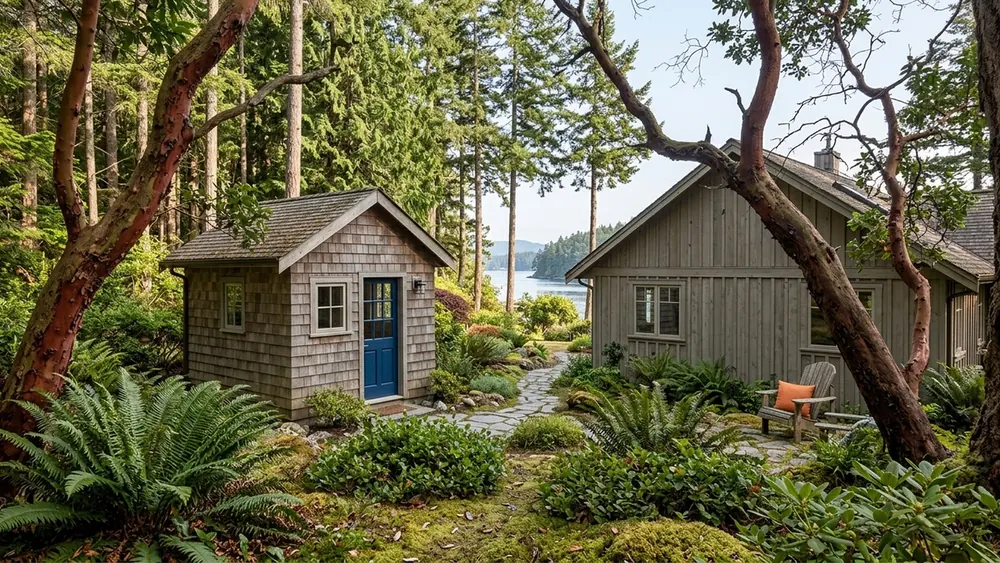
A Salt Spring property with a cottage or studio can fit well if you know how you would use the second building and have asked what records exist for it. Never count on any use until the responsible local authority confirms it.
On this page
- Whether a second building suits you
- Start with how you would use it
- Questions about records and permitted use
- Water, septic and services for two buildings
- How location on the island fits in
- Who answers each question about the building
- Assumptions that lead to disappointment
- Your next step with a second building
Whether a second building suits you
A property with a cottage, studio or cabin can be a good fit if you know exactly how you would use the second building and you have checked what records exist for it. The fit depends on your plans, not on the building itself. A studio that is perfect for painting may be the wrong space for visiting family, and a guest cabin may not suit someone who works from home every day.
So start with use. Would the building be for family, for work, for guests, or for hobbies? Would you use it every day or a few times a year? Your honest answer shapes which features matter: heat, light, plumbing, privacy, distance from the main house, and how much upkeep you are willing to take on for a building that may sit empty for part of the year.
On Salt Spring, second buildings are common on rural properties, and they often draw buyers in. That makes it easy to picture a use before anyone has confirmed it is allowed. This article does not state what any building may be used for or estimate any income. It helps you build the right questions and points you to the people who give the official answers.
Start with how you would use it
Picture a normal week with the second building in it. If it is a studio, is it close enough to the house to walk to on a wet morning, and far enough to feel separate? If it is a guest space, how often would people stay, and where would they park? If it is for an older relative or a grown child, think about access, stairs and how independent the space would need to be.
Then think about the seasons. A cabin that feels snug in July may be chilly and damp in winter. A studio with big windows may be bright but hard to heat. These are not reasons to rule a property out. They are things to notice during a viewing and to raise with a licensed home inspector, who can look at the building’s condition and the systems that serve it.
Decide how you would use the second building first, then ask what records exist for it. Never count on a use until the responsible local authority confirms it.
Questions about records and permitted use
The most important question about any second building is what it may be used for. Do not rely on how the current owner uses it, how a listing describes it, or what a neighbour has done. Permitted uses vary from property to property and they change, so the official answer comes from the responsible local authority. Ask early, and before you count on any plan that depends on the building.
Ask the seller what records exist for the building: when it was built or changed, whether permits were involved, and who did the work. A lawyer or notary can look at what is registered on the title and explain anything that affects the property. Gathering these records is part of the real estate side, and Erin can help you request what the seller is able to provide before you make an offer.
Keep income out of your early thinking. It is tempting to picture a cottage paying for itself, but this article does not suggest any building can be rented or estimate what it might earn. If that idea matters to you, take it to the responsible local authority for the rules and to an accountant and lawyer for the rest. Plan the purchase around the uses you can confirm.
Water, septic and services for two buildings
A second building often shares the property’s water and septic, or has its own arrangements. Either way, it adds questions. Does the water source serve both buildings, and what records exist for it? Was the septic system designed with the second building in mind? Do not assume the answer from the number of bathrooms. Take these questions to qualified water, well and septic professionals for the official view.
Power, heat and internet matter too, especially if the building would be a workspace. Ask how each building is heated, how power reaches it, and what internet options exist on that part of the island. A buyer from off-island sometimes assumes service is the same everywhere. On a rural property, it is worth confirming each one rather than discovering a gap once you have moved your desk into the studio.
How location on the island fits in
Where the property sits on Salt Spring shapes how a second building works for you. If guests will come and go, think about how far the property is from your usual ferry terminal, Vesuvius or Fulford Harbour, and from the shops in Ganges. If the studio is for focused work, think about how much travel your week already involves. Areas such as Channel Ridge or the North End are only examples here.
- How far guests would travel from the ferry terminal they would use
- How often you would drive into Ganges for supplies and errands
- How much land comes with the property and how much upkeep it needs
- Whether the second building has its own access and parking
None of these points picks one area over another. They simply help you test whether a particular property, with its particular second building, matches the way you want to live. A cottage that fits one household perfectly may be an awkward fit for another. Comparing specific properties against your own list keeps the decision about your life, not about the building’s photos.
Who answers each question about the building
A second building brings more professionals into the conversation than a single home. It helps to know in advance who speaks to what, so you are not left guessing or taking a casual comment as a final answer. The table below sets out the main questions, why each one matters, and who gives the official view for a specific property on the island.
| Question | Why it matters | Who to ask |
|---|---|---|
| What may the second building be used for? | Your plans depend on the permitted use | The responsible local authority |
| What records exist for the building? | Records show how and when it was built | The seller, through your real estate representative |
| Do water and septic serve both buildings? | Systems must suit how the property is used | Qualified water, well and septic professionals |
| What condition is the building in? | Repairs change cost and readiness for use | A licensed home inspector |
| Is anything registered on the title? | Title matters can affect the whole property | A lawyer or notary |
Financing is worth its own conversation as well. A property with more than one building can raise different questions for a lender, so talk to a lender or mortgage professional early. Erin’s background in credit union lending helps explain the money steps plainly, but the official answer always comes from your lender. Any tax questions go to an accountant who knows your situation.
Assumptions that lead to disappointment
The most common disappointment comes from assuming a use rather than confirming it. A building that looks ready for guests, or a studio that someone has worked in for years, does not tell you what is allowed. Another assumption is that a second building simply adds space. It also adds a roof, systems and upkeep, and on a rural property that work sits alongside everything else the land asks of you.
A third assumption is that you will figure out the use after you move in. That can work if you are flexible, but if the building is the reason you want the property, confirm the key points before you make an offer. Turning each hope into a written question, and taking it to the right person, is the calm way to avoid a purchase that does not match your plans.
Your next step with a second building
Before you look at properties with a cottage or studio, write down how you would use the second building and how often. Note what it would need: heat, a bathroom, a focused spot for work, room for guests, its own entrance. Add how much land you want to look after, how close to Ganges you want to be, and which ferry terminal you would use most. That short list will guide every viewing.
If a property with a second building is on your mind, bring the question that still feels unclear. You can talk through how the building would fit your life, which records to ask for, and who confirms each answer, with no pressure to decide anything. What would you most want the second building to do for you, and what would you need to confirm before you could count on it?
This article is general information about buying and selling property on Salt Spring Island, British Columbia. It is not legal, tax, lending, investment, valuation or inspection advice and does not predict prices or promise results. Confirm water, septic, land use and building questions with inspectors and the responsible local authority, shoreline questions with qualified professionals, ferry details with the ferry operator, title and disclosure with a lawyer or notary, tax with an accountant, and financing with a lender. Erin Williams, eXp Realty.

Written by