Waterfront
What is lake living like compared with the ocean on Salt Spring?
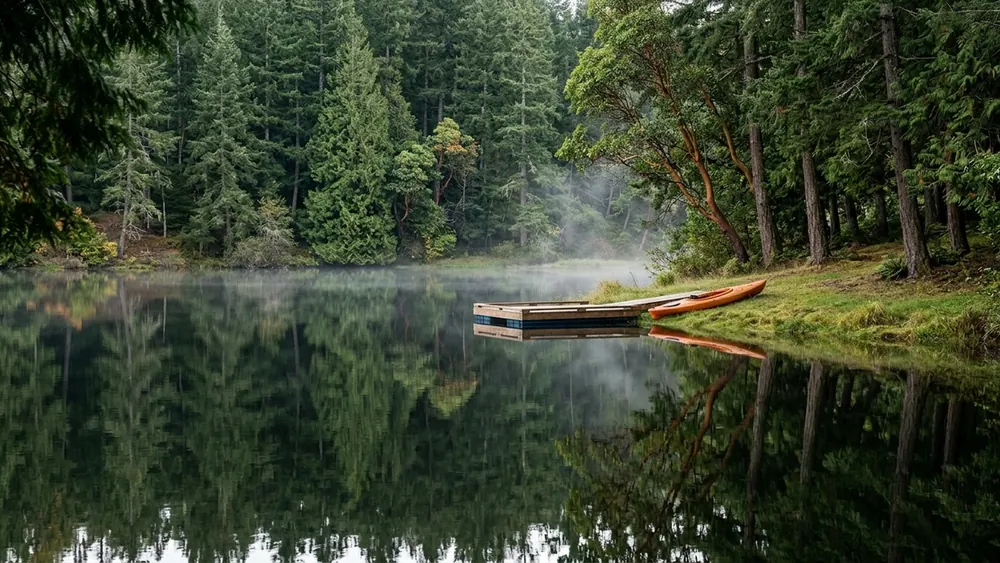
Lake living trades the open ocean for fresh water, a different shoreline and a different set of questions about access, water source, septic and upkeep. Compare how you would use each through the seasons before choosing.
On this page
How the lake and the ocean differ
Lake living on Salt Spring is a different kind of water property from the ocean. Instead of salt water and an open horizon, you have fresh water, a smaller shoreline and a different pattern of use through the year. The questions change too: access to the water, the water source for the home, septic, and upkeep. The right choice depends on how you want to use the water, not which one sounds nicer.
People drawn to the water often start with the ocean and never consider the island’s lakes. Others picture a lake and never look at the shore. Putting the two side by side helps you see which trade-offs matter to you. Places like St. Mary Lake, Cusheon Lake and Blackburn Lake are reference points for lake living here, not recommendations.
This article will not pick one for you, because that depends on you. It will help you work out what each one changes about daily life and ownership, and which professional answers each question before you commit. By the end, you should have a short list of questions for any lake or ocean property you see, and a clearer sense of which one you keep picturing yourself in.
Start with how you want to use water
The first question is simple: what do you want to do with the water? Some people want to swim and paddle from their own land. Some want to watch tides and boats. Some mainly want a view and a sense of space. Each of those wishes points in a slightly different direction, and naming yours first makes the search much clearer.
Then think about the seasons. A lake and the ocean both look different in January than in July, and the way you use them shifts too. Picture an ordinary week in each season, not a perfect summer day, and notice which version of island life you keep coming back to. That is usually the honest answer, and it is worth more than a first impression at a showing.
Tell me how you picture using the water in an ordinary week. That tells us more about lake or ocean than any listing photo will.
What changes when you buy on a lake
A lake property comes with its own list of questions. Ask how you would reach the water from the home and whether that access is yours or shared. Ask what the home’s water source is, and who has looked at it. Ask about septic and its records. These are not lake rules. They are questions for the people who know the property and the rules that apply to it.
Lake shorelines raise their own questions about docks, paths and structures near the water. Do not assume anything already there can stay or be replaced as it is. Take those questions to qualified shoreline professionals and the responsible local authority, and ask the seller what records they have before you rely on anything. Your lawyer or notary can explain what the documents do and do not cover.
This article does not describe water quality for any lake, and you should not rely on general talk about it either, whether it comes from a seller, a neighbour or something you read online. If water quality matters to how you plan to use the lake, for swimming or for the home itself, ask qualified water professionals and the responsible authority directly, and keep their answers with your notes.
What changes when you buy on the ocean
Oceanfront property meets the sea, which means tides, weather and salt air become part of daily life. Ask how you would reach the shore and in what conditions. Ask a home inspector how exposure to wind and weather has affected the house. Shoreline, dock, erosion and foreshore questions go to qualified shoreline professionals and the responsible local authority.
An ocean view home is another option if you want the outlook without owning the shoreline. It changes the list again, with questions about the slope, the driveway and whether the view could change over time as trees grow or land around you changes. Whichever way you lean, insurance is its own question for any water property, so talk to an insurance agent early.
Island life around a lake or the sea
Location shapes daily life as much as the water does. Lake homes and ocean homes are spread across Salt Spring, so think about how each one fits the rest of your week, not just your weekends. Here are the practical questions worth asking about any water property you are considering, whether it sits beside a lake or the sea.
- How the drive to Ganges feels for groceries, errands and appointments
- How your ferry fits into the way you plan to come and go
- How much land, trees and outdoor work come with the home
- Whether trails or other outdoor spaces you enjoy are part of your routine
The ferry operator is the only source for schedules, which change, so check them yourself. Mt. Maxwell and Burgoyne Bay are names you will hear when people talk about getting outdoors on the island, but treat every area as orientation only and compare specific homes on their own terms. A home that fits your routine will matter more over time than any single feature on a listing.
Lake versus ocean side by side
A side-by-side view can help you see where the questions differ and where they overlap. Use this table as a starting point for your own notes, and add the questions that matter most to the way you want to live. Bring it along to showings, and fill in the answers as each professional gets back to you, so you can compare properties fairly.
| Question | Lake property | Oceanfront property |
|---|---|---|
| How will you use the water? | Fresh water, often paddling or swimming from shore | Salt water, tides and a wider outlook |
| Who answers shoreline questions? | Qualified shoreline professionals and the responsible local authority | Qualified shoreline professionals and the responsible local authority |
| What about the home’s water source? | Ask qualified water and well professionals | Ask qualified water and well professionals |
| What should the inspector focus on? | Condition, moisture and access to the water | Condition and exposure to wind and weather |
| Who answers insurance questions? | An insurance agent, early in the process | An insurance agent, early in the process |
Notice how many answers come from the same professionals. The difference between lake and ocean is less about who you ask and more about what you want from the water, and how each property handles access, upkeep and the seasons. That is good news: the same short list of professionals can help you compare both kinds of property without starting from scratch each time.
Assumptions worth checking before you choose
One common assumption is that a lake is simply a smaller version of the ocean. It is a different experience, with its own rhythm and its own questions. Another is that any water property comes with easy access to the water. Some do and some do not, so walk the route and ask who owns the land between the house and the edge.
A third assumption is that structures near the water can always be kept or rebuilt. That is a question for qualified shoreline professionals and the responsible local authority, not something to guess. Your lawyer or notary can explain what the documents cover, and your brokerage can explain the disclosure the seller provides. Write down anything that does not match what you were told.
Your next step on lake or ocean
Before you start looking, write down how you picture using the water through the year, how close to Ganges and your ferry you want to be, and how much land you want to look after. Note whether you would consider both lake and ocean, or only one. Then line up a lender or mortgage professional, a home inspector, and water and septic professionals.
Erin has lived on Salt Spring for more than a quarter century and chooses to work only on the island, helping people sort out which kind of water property fits the way they want to live. If you are torn between a lake and the ocean, bring your notes and talk it through. Which way of living with the water feels most like you?
This article is general information about buying and selling property on Salt Spring Island, British Columbia. It is not legal, tax, lending, investment, valuation or inspection advice and does not predict prices or promise results. Confirm water, septic, land use and building questions with inspectors and the responsible local authority, shoreline questions with qualified professionals, ferry details with the ferry operator, title and disclosure with a lawyer or notary, tax with an accountant, and financing with a lender. Erin Williams, eXp Realty.

Written by