Waterfront
Oceanfront or ocean view on Salt Spring: what is the real difference?
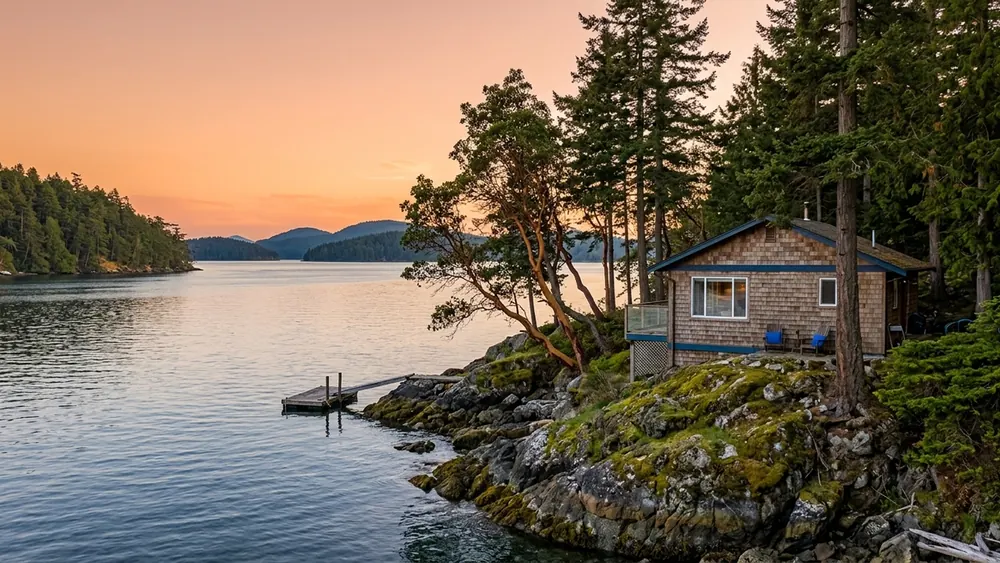
Oceanfront means the property meets the shoreline, while ocean view means you see the water from the property. Each one changes access, upkeep and what you will want inspected, so decide which you want before comparing homes.
On this page
The short answer on shoreline versus view
Oceanfront means the property meets the shoreline. Ocean view means you see the water from the property, but someone else’s land, a road or a slope sits between you and the edge. That single difference changes how you reach the water, what you look after, and what you will want inspected before you commit. So the first decision is not which home you like. It is whether you want to touch the water or mainly look at it. Everything else in your search follows from that answer.
On Salt Spring, people often lump all water property together in their search. That makes comparisons confusing, because a view home and a shoreline home answer very different questions. One gives you the outlook. The other gives you the outlook plus a stretch of shoreline that comes with its own set of questions about access, structures and rules that only qualified professionals and the responsible authority can answer. Comparing the two as if they were the same usually leads to frustration on both sides.
Sorting this out early saves you time. Once you know which kind of water you actually want, the list of homes worth seeing gets shorter, and the questions you need to ask become clearer. Lake living is a third option with its own trade-offs, and it is worth keeping in mind as you read, but this article stays with the ocean and the choice between a shoreline and a view. Both can be good choices.
What changes when the property meets the water
A shoreline property brings a different kind of ownership. The view is only part of it. You are also taking on the edge where the land meets the sea, and that edge raises questions a view home usually does not. None of these have a standard answer, and each property is different, so treat them as a starting list to take to the right people. Add your own questions as you walk each property, because what you notice in person often matters most.
- How you actually reach the water from the house, and in what kind of weather
- Whether any stairs, paths or structures near the shore exist, and who can speak to them
- What qualified shoreline professionals would want to look at before you make a firm offer
- Which shoreline questions belong with the responsible local authority rather than the seller
What an ocean view home asks of you
A view home can feel simpler, but it has its own list. The outlook you fall for depends on things you may not control, and the way a home sits on a slope can shape driveways, drainage and daily access. Here is what to find out before you decide an ocean view is enough for the way you want to live. Visit at different times of day if you can, because light and weather change how a view feels.
- Whether trees or land you do not own could change the outlook over time
- How the driveway and parking handle the slope through the wetter months
- Whether there is any public or shared way down to the water nearby
- What a home inspector says about exposure to wind and weather on that site
- How the view lines up with the rooms you will actually use every day
How island life shapes the water decision
Island life adds a layer that is easy to forget during a showing. Think about how often you will drive to Ganges for groceries and errands, and how the drive feels on a dark winter evening when the rain is coming sideways. Think about your ferry, how often you plan to leave the island, and what a missed sailing means for your week. The ferry operator is the only source for schedules, and they change, so check them yourself.
Then think about the land around the house. Some water properties on Salt Spring come with steep ground, long driveways or a lot of trees to manage. Others sit closer to roads and neighbours. Neither is right or wrong. The question is how much outdoor work you want each season, whether you plan to handle it yourself or hire help, and how that changes if you are away from the island for stretches of the year.
Finally, think about how you will use the water. If you picture yourself launching a kayak most mornings or wandering the shore at low tide, a view will probably leave you wanting more. If you mainly want to watch the weather roll across the water with a coffee in hand, a view home may give you everything you need with a shorter list of shoreline questions. Be honest about which picture is really yours, not the one in a magazine.
Questions that belong with the professionals
Water property is where friendly advice should stop and qualified answers should start. Shoreline, dock, erosion and foreshore questions go to qualified shoreline professionals and the responsible local authority. Insurance questions go to an insurance agent. Water source and septic questions go to qualified water, well and septic professionals. The condition of the house goes to a home inspector, title and boundary questions go to a lawyer or notary and a surveyor, and financing goes to a lender or mortgage professional.
Rules and conditions change, and every property is different. That is why no article can tell you what is allowed on a particular stretch of shore. What it can do is help you show up with a clear list, so each professional answers the question that belongs to them and nothing falls between the cracks. Keep a simple notebook or file for each property, and write down who told you what and when, so you can compare answers side by side later.
I would rather you know exactly which kind of water you want before we look at a single home. It makes every showing more useful.
Common assumptions that lead to surprises
One common assumption is that a view and a shoreline feel about the same once you live there. For some people they do. For others, not being able to walk down to the water turns out to matter a great deal, while some shoreline owners find they rarely go down at all. Picture an ordinary Tuesday in each home, not a sunny weekend, and see which version of your life feels right.
Another assumption is that anything already near the shore can stay, be repaired or be replaced as it is. That is a question, not a given. Ask the seller what they know and what records they hold, then take it to the responsible local authority and qualified shoreline professionals before you rely on it. Your lawyer or notary can help you understand what the paperwork does and does not cover, and your brokerage can explain the disclosure the seller provides.
Your next step before a first conversation
Before you start booking showings, write down how you picture using the water in a normal week. Note whether you want to reach it from your own land or mainly see it, and how far from Ganges and your ferry you are comfortable living. Add how much land you want to look after, how often you will be on the island, and whether lake living near St. Mary Lake or Cusheon Lake is worth a look too, as a reference point rather than a recommendation.
Next, line up the professionals you may need: a lender or mortgage professional for financing, a home inspector, water and septic professionals, qualified shoreline professionals, an insurance agent, and a lawyer or notary. You do not need them all on day one, but knowing who answers what keeps the process calm when a home you like comes up, and it helps you move at your own pace rather than someone else’s.
Erin has lived on Salt Spring for more than a quarter century and chooses to work only on the island, with recent work that has included oceanfront and ocean view property. If you are weighing shoreline against a view and want to talk it through without any pressure, bring your notes and your questions. Which kind of water fits the way you want to live here?
This article is general information about buying and selling property on Salt Spring Island, British Columbia. It is not legal, tax, lending, investment, valuation or inspection advice and does not predict prices or promise results. Confirm water, septic, land use and building questions with inspectors and the responsible local authority, shoreline questions with qualified professionals, ferry details with the ferry operator, title and disclosure with a lawyer or notary, tax with an accountant, and financing with a lender. Erin Williams, eXp Realty.

Written by